Anyone who’s spent a few spins on slot machines, whether physical or online, will instantly recognize the classic fruit symbols: cherries, lemons, oranges, plums, and grapes. These images have become a universal language in slot gaming, transcending decades since the first mechanical reels clinked into motion. But with the explosion of themed slots, packed with narratives, animations, and ever more intricate mechanics, the question arises: do modern food-themed slots still rely on this iconic fruit set, or has the identity evolved?
In this article, we'll explore how these classic reel icons live on, how they serve as a legacy UI language, their role in conferring instant clarity, and how contemporary slot creators integrate candy and snack motifs for more immersive world-building. Alongside, we'll touch on theme-mechanic alignment—a foundational design principle that good slot developers, including those behind platforms like Mr Q, take seriously.

Photo credit: Wesley Tingey via Unsplash
The Legacy UI Language of Fruit Symbols
Tracing the history of slot machines reveals how fruit symbols became a defining characteristic. Back in the late 19th and early 20th centuries, slot makers sought icons that were visually clear and culturally neutral—qualities essential for machines primarily mechanical in nature and lacking detailed explanation screens.

According to Encyclopaedia Britannica, the use of classic fruits originated partly due to the “fruit gum” payouts—prizes that were literal fruit-flavored gum pieces. This evolution helped machines maintain appeal in regulatory environments that barred cash payouts by substituting candy prizes. The familiar cherries, lemons, and oranges became synonymous with slot gameplay, offering instant recognition with minimal cognitive load from players.
Why Cherries, Lemons, Oranges, Plums, and Grapes?
- Visual simplicity: Each fruit features bold, saturated colours making the symbols stand out on early reels. Cultural universality: These fruits are globally recognizable, avoiding regional biases. Distinct silhouette: In an era of low-resolution reels, unique shapes helped players identify symbols quickly. Tactile association: Players often physically manipulated reel handles, so clear symbols encouraged extended sessions.
Together, these factors shaped what is best described as a “legacy UI language”—iconography so well-established it became a shorthand for slot gameplay itself. This legacy persists even today.
Instant Recognition and Clarity in Slot Design
Modern slot design must balance grabby visual effects with user-friendly clarity and playability. The enduring power of the classic fruit symbols lies in their immediate identity perception. Players never have to pause to decode what a symbol represents—something slot game UX experts know well.
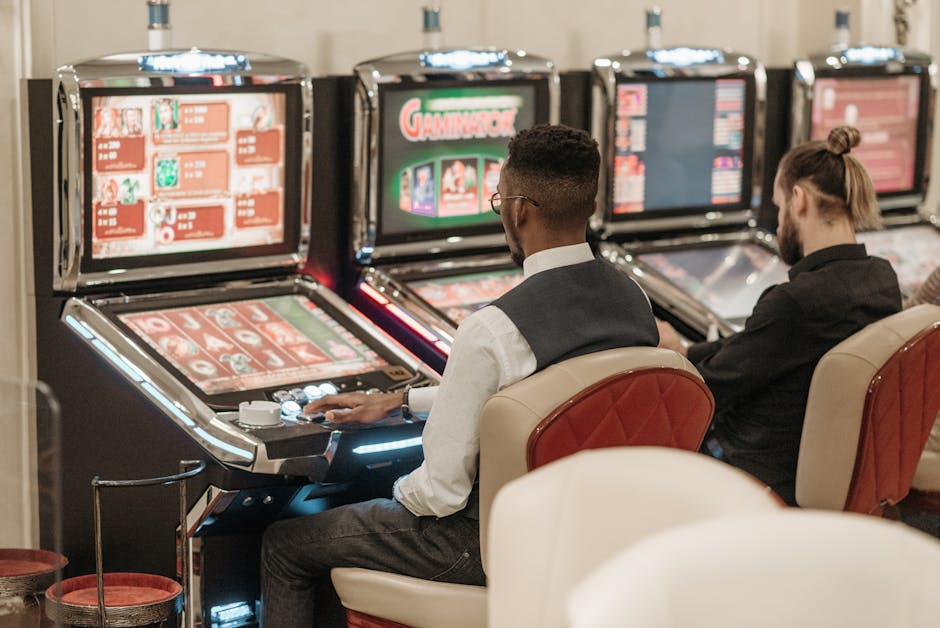
At Mr Q’s iGaming editorial team, a common observation is that fruit symbols offer a kind of “visual anchor”—an intuitive reference point amid flashy animations, bonus rounds, and layered sounds. This anchor reduces decision fatigue, allowing players to engage more deeply with features and bonus mechanics without getting lost in abstract or overly thematic icons.
Moreover, fruit symbols offer a universal clarity https://themcdonaldsmenu.ca/from-cherries-to-candy/ rare in themed slots that attempt detailed narratives. This transparency is crucial in games designed for fast play or casual audiences unfamiliar with complex mythology or story arcs.
From Classic Fruits to Modern Candy and Snack World-Building
That said, the slot industry has innovated considerably by expanding “food” themes beyond simple fruits. Today’s developers create vibrant slots based on confectionery, snacks, and elaborate taste-based fantasy worlds. These modern food slots often layer thematic depth with mechanic synergy to enhance engagement.
Examples include:
- Candy-themed slots: Featuring sweets like gummy bears, licorice sticks, and chocolate pieces, these slots build playful, colourful worlds that appeal to a broad demographic. Snack-inspired slots: Machine icons depict crisps, popcorn, or cupcakes, tapping into familiar snack-time enjoyment. World-building in gameplay: Bonuses may involve “collecting” candy pieces to unlock multipliers or free spins, aligning theme and mechanic seamlessly.
This diversification naturally raises questions about whether the classic fruit set still plays a role. The answer is nuanced:
Pure nostalgia products: Slots that deliberately evoke vintage aesthetics almost always include cherries, lemons, oranges, plums, and grapes. Thematic hybrid designs: Many games incorporate fruits alongside candy or snack symbols to blend tradition with freshness. Fully modern themes: Certain titles step away entirely from classic fruits, opting instead for snack-focused iconography that matches promotional angles or licensed brands.Theme-Mechanic Alignment: What It Means for Food Slots
Anyone evaluating slots—players, reviewers, or editors—should consider theme-mechanic alignment. This principle assesses how well game mechanics complement the chosen theme, which affects player immersion and perceived value.
For modern food slots, this requires syncing symbols and bonus triggers with the core narrative:
Theme Mechanics Examples & Comments Classic Fruit Simple paylines, standard wilds & scatters Reliable, clear gameplay aligns with minimal design; appeals to traditional slot fans Candy & Sweets Bonus rounds involving ingredient collection, cascading reels Supports a playful, lighthearted world; rewards repeat play and engagement Snack-Themed Slots Gamified mini-bonuses like “popcorn popping” or “chip stack building” Deepens theme immersion; may attract casual players looking for noveltyDevelopers like those whose games appear on platforms such as Mr Q understand this balance well. They avoid vague claims that “this is a game-changer” without demonstrating how the mechanics fit the theme. Instead, they ensure that food symbols, whether fruit or candy, feel naturally integrated into gameplay progression.
Conclusion: The Classic Fruit Set’s Place in Modern Food Slots
To sum up, cherries, lemons, oranges, plums, and grapes—those classic reel icons—continue to serve as a foundational legacy UI language in many slots today. They provide instant recognition and ease of play, essential for both new and seasoned players. While the slot world has enthusiastically embraced candy and snack themes that build expansive, colourful worlds, these innovations often exist alongside, rather than replace, the classic fruit set.
From a practical perspective, the fruit symbols persist because they work. They offer clarity and comfortable familiarity, supporting fast comprehension and smoother UX without relying on overlong tutorials or confusing iconography. Meanwhile, when theme-mechanic alignment is done well, players experience more satisfying gameplay that feels coherent and well-crafted, regardless of whether the symbols are juicy fruits or sweet treats.
For anyone curious to see these themes in action, you’ll find a well-curated selection of fruit, candy, and snack-themed slots on reputable sites like Mr Q. Observing their symbol sets and bonus mechanics can deepen appreciation of how slot design continues to evolve while respecting its fruity roots.
Photo credit for header image: Wesley Tingey via Unsplash